What to Do Before, During, and After Roof Replacement in Succasunna, NJ
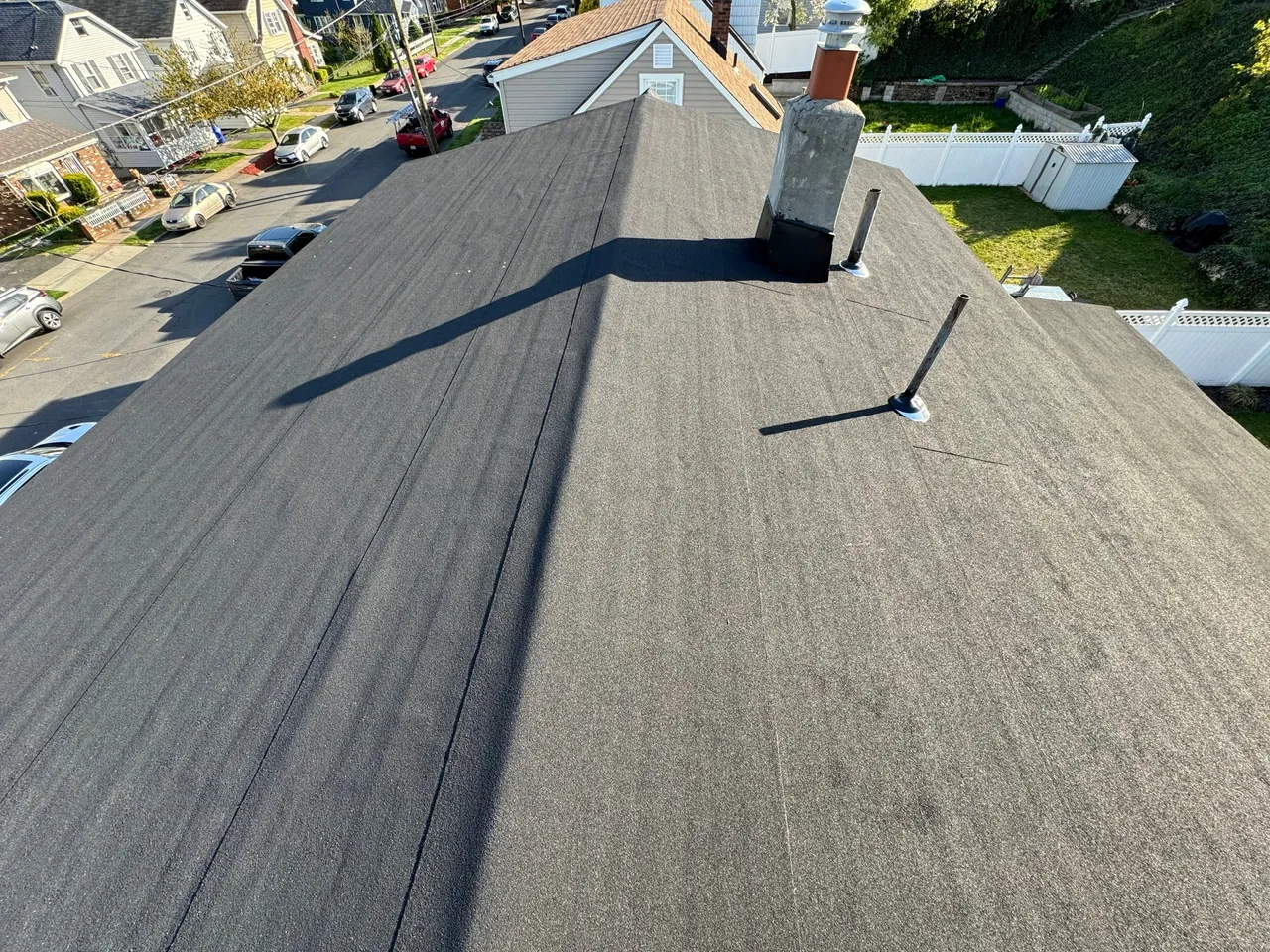
A roof replacement is one of those projects that most homeowners put off until they cannot. By the time the conversation starts, there is usually a water stain on a bedroom ceiling, a curl of shingles near the gutter, or a patch of ice dam damage that came back after another North Jersey winter. In Succasunna, where homes see humid summers, freeze-thaw cycles, heavy rain, and the occasional snow load that lingers longer than anyone wants, timing and preparation matter more than people realize.
A good roof replacement is not just about what goes on the house. It is also about what happens before the crew arrives, how the job is managed while the roof is open, and what you do after the final nail is driven. Homeowners who understand all three phases tend to have fewer surprises, cleaner job sites, better communication with the contractor, and a much smoother path if they ever need warranty service or decide to sell.
If you are planning a Roof Replacement in Succasunna, NJ, it helps to think like a project manager for a few days, even if you never plan to climb a ladder yourself.
Start with the right reason, not just the right price
Not every aging roof needs full replacement, but many homes reach a point where repairs stop making financial sense. I have seen homeowners spend several thousand dollars over two or three years chasing leaks around flashing, vent boots, and pipe collars, only to replace the whole roof anyway. At that stage, the smaller invoices feel easier, but the total cost usually says otherwise.
The first practical step is to confirm that replacement is truly the right move. If your roof is near the end of its expected life, if shingles are brittle or losing granules across large areas, if there is widespread storm damage, or if the decking has soft spots, patchwork can turn into false economy. A reliable contractor should explain why replacement is recommended in plain language, with photos from the roof and attic where possible. You should be able to understand the problem without feeling pressured.
This is where estimates matter, but the cheapest number on paper is rarely the full story. In residential roofing, two proposals can look similar at a glance and be very different once the work starts. One may include full ice and water protection at vulnerable areas, another may not. One may account for replacing damaged plywood up to a certain amount, another may bill every sheet as a surprise add-on. One may specify a proper ventilation plan, another may simply reshingle an underperforming roof system and leave the underlying moisture issue intact.
In Morris County neighborhoods, that difference shows up a few seasons later, when an attic runs hot in August or condensation collects in winter. A new roof should solve problems, not just cover them.
What to handle before the materials arrive
The week before roof replacement is when the small logistical details save the most frustration. Most homeowners focus on shingle color and contract price. Those matter, of course, but the better questions are often more practical. Where will the dumpster sit? Will delivery trucks block part of the driveway? Is there enough clearance for tear-off debris to be dropped safely? Do you need to move patio furniture, potted plants, or a grill?
Roofing is loud, dusty, and surprisingly physical. The work happens on top of the house, but the impact is felt around the whole property.
A short prep checklist that actually helps
- Move vehicles out of the garage and driveway before the crew arrives.
- Take wall hangings down from upper floors if they are loose or valuable.
- Cover attic items that could collect dust from tear-off vibrations.
- Keep pets and young children away from the work zone for the day.
- Ask where the dumpster, material stacks, and magnet sweep will be handled.
Each of those sounds minor until it is not. I once saw a homeowner trapped at home because a shingle delivery crane blocked the driveway just as they needed to leave for work. Another had a row of framed family photos shake loose upstairs during tear-off. None of that meant the roofer was careless. It meant no one walked through the day in advance.
Inside the house, expect vibrations. Hammering and movement on the roof transfer through framing much more than people expect. If you work from home, plan to be elsewhere for at least the noisiest portion of the job. If someone in the household has a sensitivity to noise, a medical condition, or a nap schedule that depends on quiet, make alternate arrangements. This is not a background-noise project.
Outside, trim the obvious obstacles if you can do so safely or ask whether the contractor will need access cleared. Low branches over the roofline or close to staging areas can slow the crew and create avoidable risk. The same goes for decorative lighting, hanging planters, or breakable lawn ornaments near the perimeter of the house.
Paperwork deserves more attention than most homeowners give it
A roof replacement can feel straightforward, but it is still a contract job on a major part of your home. Before work begins, make sure you know what is included and what is not. That sounds basic, but it is where many disputes begin.
The estimate should identify the roofing material, underlayment, flashing approach, ventilation components, cleanup expectations, and how damaged decking will be handled if discovered. It should also state who pulls permits if permits are required locally, and who schedules any necessary inspections. Do not assume. In some places, homeowners think a contractor is handling all municipal steps, only to learn later that a permit was never filed or an inspection was missed.
Insurance and licensing are equally important. Ask for proof of liability and workers' compensation coverage. A professional contractor should not treat that as an offensive request. In fact, established roofing companies expect it.
Warranties need a closer read as well. Manufacturer warranties cover materials under certain conditions. Workmanship warranties come from the installer. Those are not the same thing, and they do not respond to the same problems. If a leak develops around a flashing detail because of installation error, that is not a shingle defect. If shingles fail prematurely because of a material issue, that is a different path. A good contractor will explain both without hiding behind jargon.
Timing matters in New Jersey more than people think
Homeowners often ask for the best season for a roof replacement, but the better answer is that the best timing balances weather, contractor availability, and the urgency of the roof's condition. Spring and fall are popular for obvious reasons. Milder temperatures make long workdays easier, and scheduling often feels more predictable. Summer can work well too, though extremely hot days are tougher on crews and can make attics brutal by midday. Winter replacements are possible, but they require more caution around sealant performance, snow, and ice.
In Succasunna, where weather can pivot quickly, the contractor's planning discipline matters almost as much as the forecast itself. A well-run crew watches rain windows carefully, stages materials efficiently, and never tears off more roofing than they can protect if conditions shift. If a company seems casual about weather risk during the estimate phase, take that as a warning sign.
That does not mean every schedule change is poor management. Roofing is exposed work. Sometimes a delay is exactly what you want from a cautious professional. Better one extra day on the calendar than moisture trapped under new materials.
What to expect on the actual replacement day
The first surprise for many homeowners is how fast a competent crew moves. Tear-off starts early. Within a short time, old shingles, underlayment, and often flashing are coming off in sections. There is noise, foot traffic, material movement, and a lot of coordination happening at once. To someone watching from the ground, it can look chaotic. To an experienced roofing team, it is a sequence.
Most asphalt shingle replacements on average-sized homes can be completed in one day or over two days, depending on roof complexity, weather, crew size, and whether unexpected deck repairs are needed. A simple ranch is different from a steep, cut-up roof with multiple valleys, dormers, and penetrations.
During the job, communication matters. You do not need a play-by-play, but you should know who the lead person is and how they will update you if hidden damage is uncovered. Rotten decking, old leaks around chimneys, or poorly vented attic spaces often reveal themselves only after tear-off. That is normal. What matters is how the contractor documents it and gets your approval if additional cost is involved.
If you can safely observe from outside, do so briefly and respectfully, but avoid hovering. Crews work better when they have room. If something concerns you, talk to the project lead, not whichever installer happens to be closest on a ladder. One clear conversation beats five side comments.
Protecting your home while the roof is open
The most vulnerable stage of roof replacement is the period between tear-off and dry-in. This is when old materials are gone and the new moisture barrier is not fully in place yet. Good crews minimize that window by sequencing work carefully. They tear off what they can re-cover quickly, especially if there is any chance of changing weather.
Inside the home, leave attic access available if possible. If there is an active leak concern or a question about ventilation, the foreman may want to inspect from below. It is also smart to avoid running bathroom fans or whole-house fans during the dustiest phase if your attic or vent paths tend to pull airborne debris. In older homes especially, airflow can move material in unexpected ways.
For landscaping, some impact is hard to avoid. Tarps and plywood can help protect shrubs and foundation plantings, but not every leaf will survive unscathed. If you have delicate specimen plants right against the house, mention them before the job starts. Roofers can often adjust where they stage or drop debris, but they need to know what matters to you.
The details that separate a decent roof from a durable one
Homeowners naturally look at shingles because that is what they can see from the street. Roofers tend to focus just as much on what is beneath and around them. Underlayment, flashing, ventilation, edge metal, pipe boots, and fastening patterns determine whether the roof performs over time.
Flashing is a common weak point, especially around chimneys, skylights, sidewalls, and valleys. Reusing old flashing to save money can be tempting, but it often leads to callbacks. In my experience, if a roof is being replaced because it is worn out, any aging flashing tied into that system deserves close scrutiny at minimum and replacement in most cases.
Ventilation is another topic that gets oversimplified. More vents do not automatically mean better airflow. What matters is balanced intake and exhaust based on the attic's design. An improperly ventilated attic can shorten shingle life, trap heat, and contribute to moisture problems. This is where a contractor's judgment shows. The right answer depends on the house, not on a generic sales script.
Nailing matters too, though homeowners rarely see it. Incorrect placement can affect shingle hold and warranty compliance. That is one reason established installers follow manufacturer specifications closely and are not eager to cut corners for speed.
Cleanup is part of the job, not a bonus
A roof replacement is not finished when the last ridge cap goes on. Cleanup is part of the work. That includes removing debris, sweeping for nails with magnets, checking gutters for tear-off remnants, and making sure stray packaging and shingle scraps are not left behind.
Do a walk-around before the crew leaves if possible. You are not looking to nitpick. You are looking for obvious issues while the team and equipment are still there. Check flower beds, driveway edges, side yards, and any area where debris may have bounced or rolled. If children play in the yard or pets use the perimeter of the house, this matters even more.
A professional crew usually does a solid cleanup, but no large roofing job is spotless on the first pass every time. A quick conversation that afternoon is easier than finding nails in the lawn two weeks later.
After the crew leaves, inspect with a homeowner's eye
You do not need to know roofing at a professional level to do a useful post-job review. Focus on visible consistency, property condition, and documentation. Look at the roof from multiple angles if your lot allows it. The shingle lines should appear straight, the ridge caps even, and the roof accessories integrated rather than patched in awkwardly.
Also look at areas that are easy to ignore in the moment. Are gutters reattached properly if they were loosened? Were downspouts knocked out of alignment? Is siding around roof lines still secure? Did satellite wires, service lines, or exterior light fixtures get disturbed?
One of the best habits after a roof replacement is taking your own photos. Get wide shots from the ground, close-ups of any visible flashing details, and pictures of the cleanup condition around the property. Save the contract, final invoice, warranty paperwork, color name, and any permit records in one folder, digital and paper if possible. Years later, when you need warranty help or want to answer a buyer's question, that file becomes surprisingly valuable.
Watch for these issues in the first few weeks
- Debris or granules collecting heavily in one gutter section
- Loose siding, trim, or vent covers near roof edges
- Water stains in the attic or top-floor ceilings after rain
- Exposed nails or shingle tabs that look lifted from the ground
- Missed nails in driveways, walkways, or lawn edges
None of those automatically means the installation failed, but each deserves a call if noticed. Most reputable contractors would rather address a small correction quickly than let a homeowner worry or let a minor issue grow.
A new roof should change how the house behaves
The biggest sign of a successful replacement is not visual. It is operational. The house should stay drier, draft patterns around the top floor may improve, and chronic leak anxiety should disappear. If ventilation was corrected, some homeowners also notice a more stable attic environment through summer and winter, though not every benefit is dramatic or immediate.
Pay attention after the first hard rain, the first windy day, and the first significant temperature swing. Take a quick look in the attic with a flashlight if it is safely accessible. You are checking for staining, damp insulation, or daylight where it should not be visible. Most likely, everything will be fine. When it is not, early detection matters.
This is also a good time to adjust maintenance habits. A new roof is not a set-it-and-forget-it system. Gutters still need cleaning. Tree limbs still need managing. Roof penetrations and flashing still deserve occasional observation from the ground. The difference is that routine maintenance on a new system tends to be inexpensive and preventive, which is exactly where a homeowner wants to be.
When to call the contractor back, and when not to panic
Not every post-installation question is a defect. Sometimes homeowners hear settling noises in the attic, notice small amounts Roof Replacement Succasunna, NJ of leftover granules washing through gutters, or spot slight color variation as shingles weather in. Those can be normal. On the other hand, active leaks, visibly lifted shingles, and obvious unfinished details are not things to "wait and see" for very long.
The best approach is specific communication. Instead of saying the roof "doesn't look right," send a photo and explain what you observed, where, and after what weather event. Good contractors respond better to that than to vague alarm, and it gives them a fair shot at solving the issue quickly.
If your contractor completed a Roof Replacement in Succasunna, NJ and stands behind the work, a callback for a valid concern should not feel adversarial. The strongest companies expect a few questions and handle them professionally.
The long view pays off
A roof replacement is expensive because it protects everything beneath it. Drywall, insulation, framing, flooring, furniture, wiring, and the simple livability of the house all depend on that outer shell doing its job. For that reason, the smartest homeowners treat replacement as more than a material purchase. They prepare well, stay engaged during the installation, and verify the result afterward.
That effort does not require construction expertise. It requires attention, reasonable questions, and a willingness to slow down when a bid seems too simple or too cheap. If you do that, you give yourself a far better chance of ending up with the kind of roof every homeowner actually wants, one you stop thinking about because it quietly performs year after year.
Royalty Exteriors
151 NJ-10 Suite 103A, Succasunna, NJ 07876, United States
+1 973-333-7234
FAQ About Roof Replacement Succasunna, NJ
What are signs a roof needs replacing?
Widespread shingle deterioration, repeated leaks, or damaged decking can point to a larger problem. A roofer can inspect the roof covering, flashing, and deck to determine whether the damage is localized or whether replacement makes more sense.
How long does it take to reroof a 2000 square foot house?
Royalty Exteriors estimates one to three days for many single-family roof replacements. A house’s floor area does not tell you the actual roof area. Pitch, roof features, weather, and any decking repairs can change the schedule.
How long should a roof last in NJ?
There is no single lifespan for every roof. Material, installation quality, attic ventilation, maintenance, and exposure to storms all affect how long a roof remains serviceable. An inspection can help you assess its condition and plan for replacement.